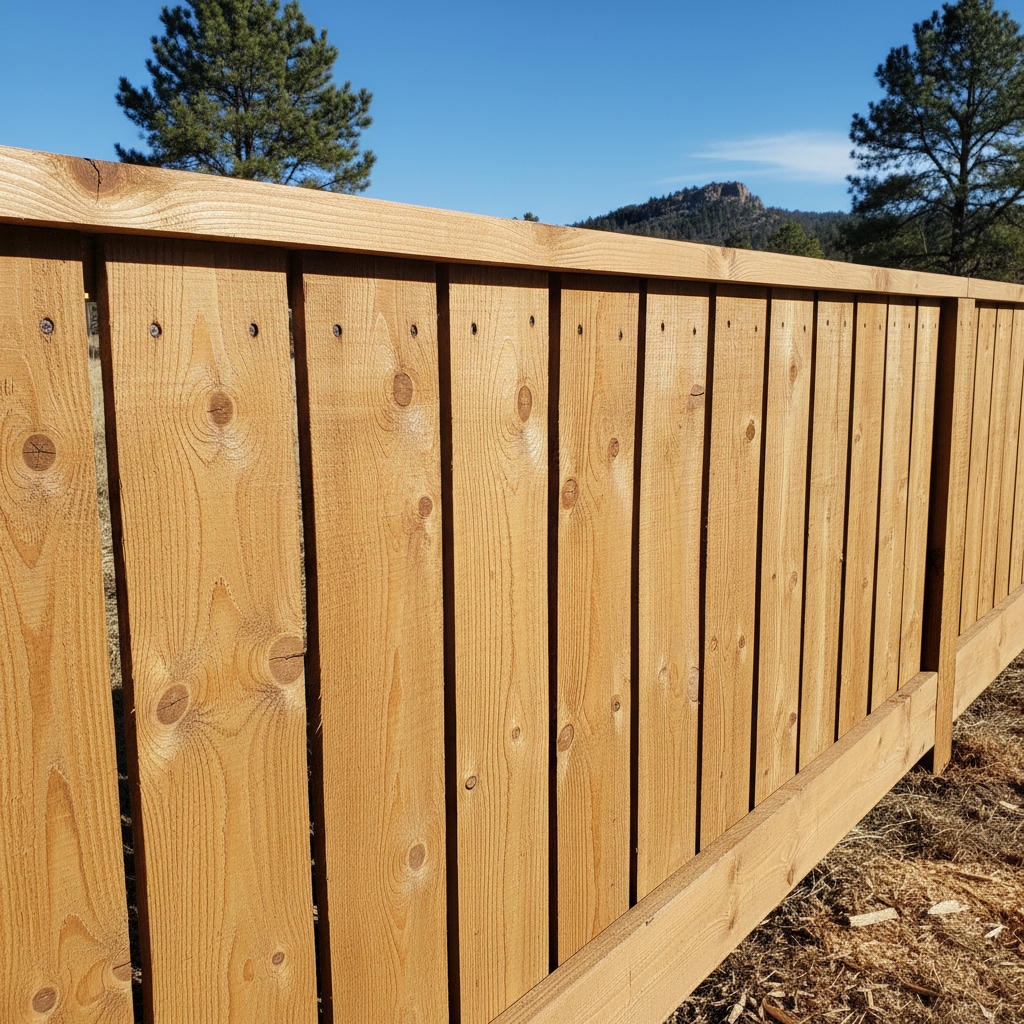
So, you're eyeing up your yard and thinking a nice wood fence would really tie the place together, huh? Maybe you're looking for more privacy, a safe spot for the kids or dogs, or just want to boost your curb appeal. Building your own fence can definitely save you some cash, and there's a real sense of accomplishment when you stand back and look at what you've built. But let's be real, it's not a walk in the park. As someone who's put up more fences than I can count, I can tell you there's a lot to consider before you even buy your first post.
Before You Dig: The Planning Stage
This is where most DIYers either set themselves up for success or for a whole lot of headaches. Don't skip this part.
- Know Your Property Lines: This is huge. You don't want to build a fence only to find out it's three feet onto your neighbor's land. Get a survey if you're not absolutely sure. Trust me, it's cheaper than moving a whole fence later.
- Check Local Codes and HOAs: Sturgis has its own rules, and if you live in a development like the ones out near Boulder Canyon, your HOA will definitely have something to say about fence height, materials, and even color. You'll need a permit for most fences, too. Don't start without it.
- Call 811: Seriously, do this. It's free, and they'll mark out underground utilities. Hitting a gas line or an electrical cable isn't just expensive; it's dangerous. Don't be that guy.
- Choose Your Wood Wisely: Cedar is popular for a reason – it's naturally resistant to rot and insects, and it looks great. Treated pine is another common choice, usually a bit cheaper, but you'll want to seal it well. Think about the style too: picket, privacy, split rail. What fits your home and your needs?
- Measure Twice (or Three Times), Order Once: Figure out your total linear footage, then calculate posts, rails, and pickets. Add about 10-15% for waste and mistakes. You'll thank me later when you don't have to run back to the lumberyard for one more picket.
During the Build: What You Can Tackle
Okay, you've got your plan, your permits, and your materials. Now for the fun part.
Setting Posts: The Foundation of Your Fence
This is the most critical step. If your posts aren't solid and plumb, your fence will look like a roller coaster. For a standard 6-foot privacy fence, you'll want 8-foot posts, set at least 2 feet deep. Here in Sturgis, our ground can be pretty rocky, especially if you're up on the hills. You might hit some serious shale. A post-hole digger works for softer soil, but you might need a digging bar and a lot of elbow grease for those stubborn spots. Or, if you're smart, you rent a power auger. It's worth every penny.
Use concrete for your posts. Mix it right – not too soupy, not too dry. Make sure each post is perfectly plumb before the concrete sets. This isn't a step to rush. I've seen plenty of DIY fences where the posts are leaning every which way, and it just screams