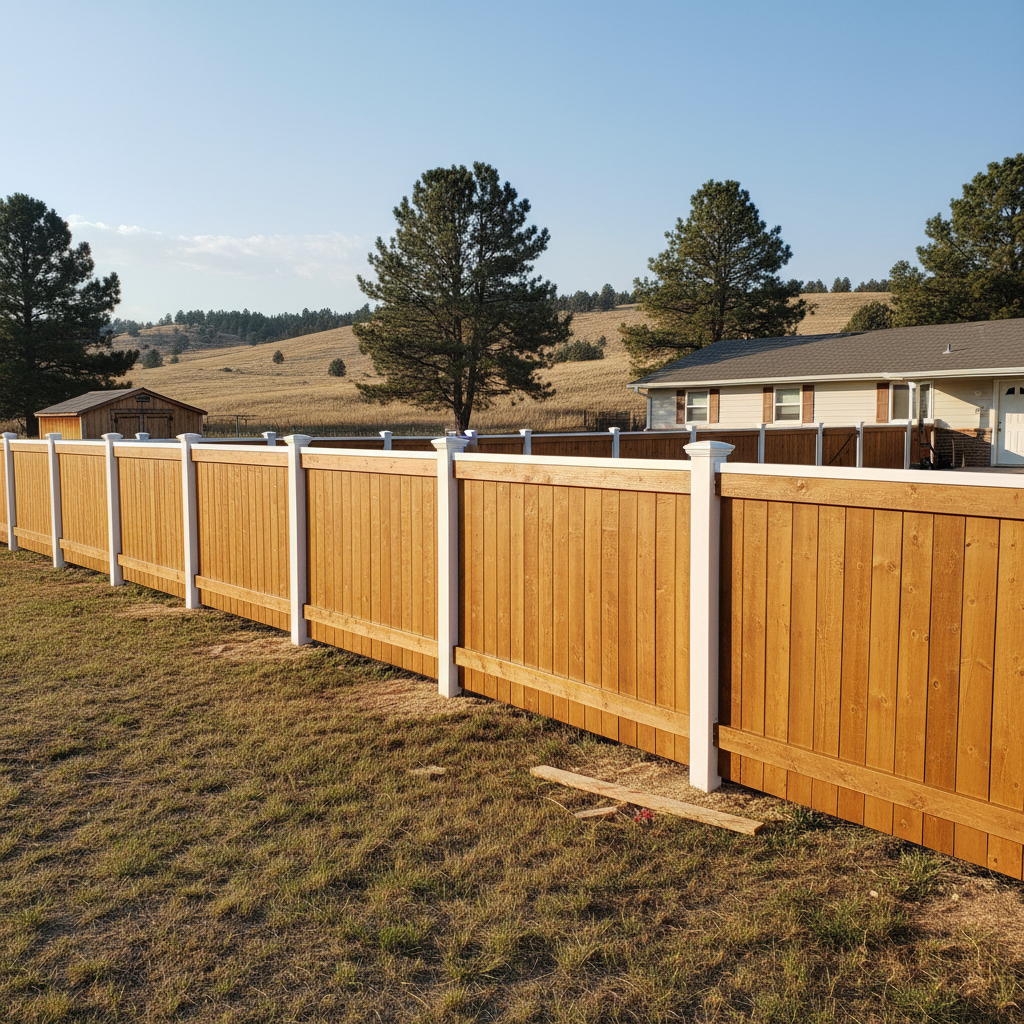
Alright, let's talk about getting your fence stained or painted here in Sturgis. It's a common question I get, and folks always want to know what it's gonna cost. You've got a fence, it's looking a little weathered, maybe even a bit gray from our Black Hills sun and those harsh winters we get. You want it protected and looking good again, but you don't want to get ripped off.
I'm gonna lay out what you can expect, what drives the price up or down, and how to make sure you're getting a good deal from a local contractor.
What Makes the Price Tag Go Up or Down?
It's never just one thing, is it? When it comes to staining or painting a fence, several factors play a big role in the final bill. Understanding these will help you know if a quote makes sense.
- The Size of Your Fence: This is a no-brainer. A small backyard fence around a quarter-acre lot is going to cost less than a sprawling perimeter fence on a larger property out towards Bear Butte. We usually measure by linear foot, but sometimes square footage if it's a solid privacy fence.
- Fence Material: Wood is the most common for staining. Pressure-treated pine, cedar, redwood – they all take stain differently and might require different prep. Vinyl fences usually don't need painting or staining, and metal fences (like wrought iron) need specialized paint and prep for rust prevention.
- Current Condition: Is your fence brand new? Great, less prep work. Is it old, peeling, covered in mildew, or got a bunch of loose boards? That means more labor for cleaning, scraping, sanding, and repairs. Sometimes we've got to power wash off years of grime and old, flaking stain, especially when folks haven't touched it in a decade.
- Type of Stain or Paint: There's a huge range here. Cheap stuff from the big box store versus a high-quality, oil-based penetrating stain designed for our climate? Big difference in material cost and how long it'll last. Transparent, semi-transparent, solid stain, or paint – they all have different price points.
- Accessibility: Can we easily get to both sides of the fence? Is it backed right up against a shed, a dense bush, or a steep hill? Harder access means more time and effort for my crew, which adds to the labor cost.
- Number of Coats: Most jobs need at least two coats for good coverage and protection, especially if you're going from a light color to a dark one, or if it's raw wood.
Typical Cost Ranges in Sturgis
Okay, let's get down to some actual numbers. Remember, these are rough estimates for our area, and every job is unique. When I give you a quote, it's specific to *your* fence.
- For Staining (most common for wood fences): You're generally looking at anywhere from $3 to $7 per linear foot. This usually includes power washing, light sanding (if needed), and two coats of a good quality semi-transparent or solid stain. So, a 150-foot fence might run you between $450 and $1,050. If it's a tall privacy fence, or needs a lot of prep, it could push towards the higher end.
- For Painting (less common for wood, more for specific looks or metal): Painting can sometimes be a bit more intensive on the prep side, especially if there's old paint to scrape. You might see prices from $4 to $9 per linear foot. A metal fence, like a decorative iron one, could be even higher due to the specialized primers and paints needed, potentially $10-$15+ per linear foot depending on intricacy.
These ranges cover labor, materials (stain/paint, brushes, rollers, tarps), and basic prep. If your fence needs significant repairs before we even think about staining, that'll be a separate charge.
What Should a Good Quote Include?
When you call Coastal Fence Co, or any reputable contractor, for a quote, here's what you should expect to see itemized:
- Linear Footage or Square Footage: Clear measurement of the fence being worked on.
- Prep Work: Details on what's included – power washing, scraping, light sanding, minor repairs (if agreed upon).
- Materials: Specific type and brand of stain or paint, number of coats.
- Labor Costs: Often rolled into the per-foot price, but sometimes broken out.
- Timeline: An estimated start and completion date.
- Warranty/Guarantee: What kind of assurance they offer on their work.
- Total Cost: The final price, with no hidden fees.
Don't Overpay: My Advice
You work hard for your money, and you don't want to just hand it over to the first guy with a brush. Here's how to be smart about it:
- Get Multiple Quotes: Always get at least three. It helps you compare not just price, but what's included.
- Check References and Reviews: See what other folks in Sturgis are saying. Did the contractor show up on time? Was the work quality good?
- Ask About Materials: Don't just accept