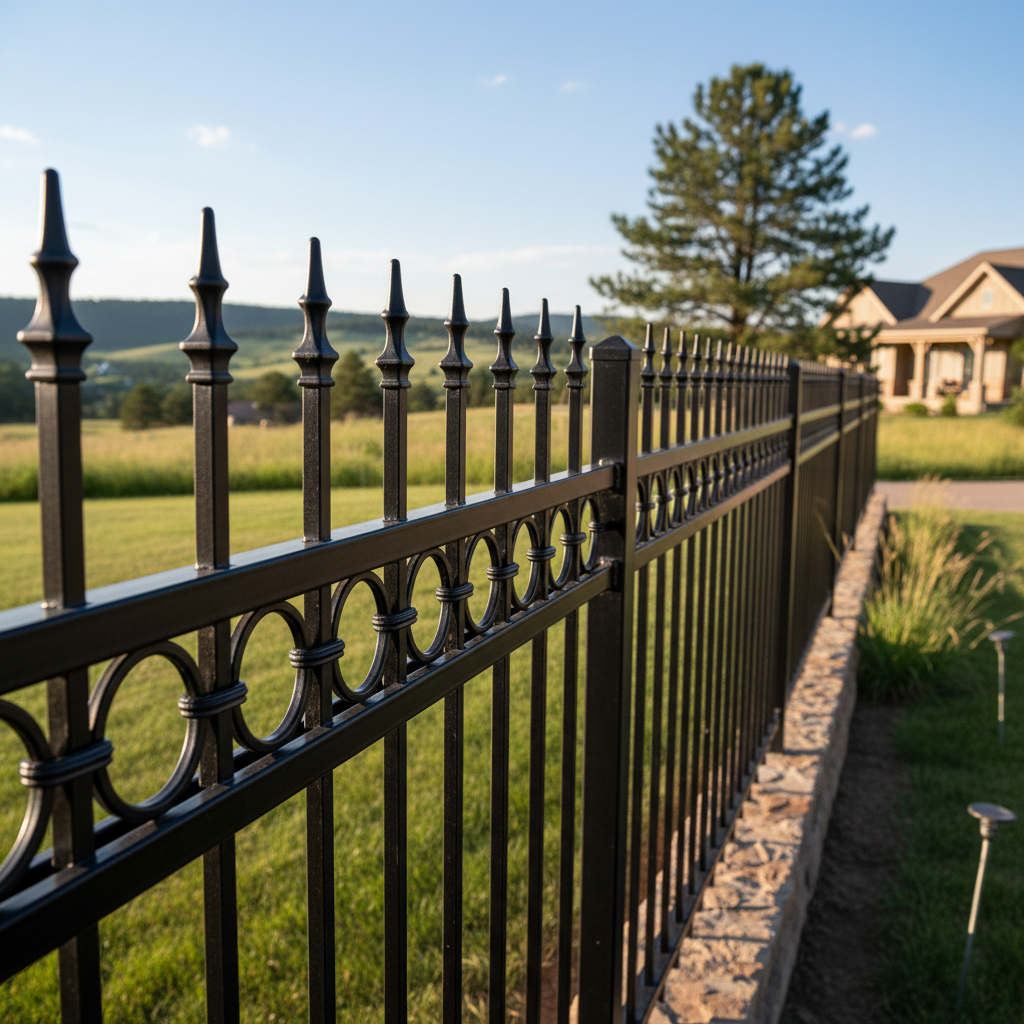
Alright, let's talk about ornamental iron fencing. I get a lot of questions about these fences, and it's usually from folks who want something sturdy, good-looking, and long-lasting. They're not wrong to think that way. Iron fences add a real touch of class and security that other materials just can't match. But there's also a lot of misinformation out there, or just things people don't think to ask until it's too late. So, I figured I'd tackle the toughest questions I hear, straight up.
Is 'wrought iron' really wrought iron anymore? What's the difference?
This is a big one, and it's where a lot of folks get confused. When people say 'wrought iron' today, they're almost always talking about ornamental steel. True wrought iron, the stuff blacksmiths hammered out centuries ago, is incredibly expensive and hard to find for fencing projects. It's a different beast entirely, made by repeatedly heating and working iron with a very low carbon content. What we install, and what 99% of the industry sells as 'wrought iron,' is actually steel. It's strong, durable, and can be fabricated into those beautiful, intricate designs you associate with classic iron fences. We call it ornamental iron because it looks like traditional wrought iron, but it's made from modern steel alloys. It's a better product for fencing today, honestly, because it's more consistent and easier to protect from the elements.
How does ornamental iron hold up to Sturgis weather extremes?
You know how our weather is here in Sturgis. We get those brutal cold snaps, heavy snow, and then scorching hot summers. It's a real test for any outdoor material. Ornamental iron, when it's properly fabricated and finished, handles it like a champ. The key is the finish. We primarily use galvanized steel, which means it's coated in zinc to prevent rust, and then typically powder-coated. Powder coating is a tough, baked-on finish that's far more durable than paint. It resists chipping, scratching, and fading much better. This combination means your fence can stand up to the freeze-thaw cycles, the high winds, and the intense UV rays we get. You might see a little wear and tear on the finish over decades, but the underlying steel is built to last.
What kind of maintenance does an ornamental iron fence actually need?
Compared to wood, it's pretty low maintenance. You're not staining it every few years, that's for sure. The main thing you'll want to do is a visual inspection once or twice a year. Look for any spots where the powder coat might have gotten chipped or scratched, maybe from a stray rock or a kid's bike. If you find a spot, clean it up and touch it up with a matching paint designed for metal. That's crucial for preventing rust from starting. Beyond that, just keep it clean. A good rinse with a hose to get rid of dust and dirt, maybe a gentle scrub with soapy water if it's really grimy, is all it usually needs. We're talking minimal effort for maximum curb appeal.
Can I really get a custom design, or am I stuck with standard panels?
Absolutely, you can get custom designs! That's one of the best things about ornamental iron. While there are standard panels that work great for many homes, especially if you're looking for a classic look and want to keep costs down, the beauty of steel is its versatility. We can fabricate gates, railings, and fence sections to pretty much any design you can imagine. Want specific finials? A unique scrollwork pattern? A custom arch for a gate? We can do it. This is where Coastal Fence Co. really shines, working with you to bring your vision to life. It's not just about putting up a barrier; it's about adding architectural interest and personal style to your property.
Is an iron fence good for security, or is it mostly for looks?
It's excellent for both, actually. From a security standpoint, an ornamental iron fence is a serious deterrent. It's incredibly strong; you can't just kick through it like some other fence types. The vertical pickets are tough to climb, especially if you go with taller heights or add decorative finials that make it even harder to get a handhold. Plus, the open design means there are fewer places for someone to hide compared to a solid privacy fence. It gives you clear sightlines while still establishing a very clear boundary. It's not just about looking tough; it is tough. It offers a strong visual and physical barrier that makes potential intruders think twice.
What about the cost? Is ornamental iron always the most expensive option?
It's not usually the cheapest, I'll be honest with you. But 'most expensive' is relative. When you look at the upfront cost, it's generally more than chain link or basic wood. However, you've got to consider the long-term value. An ornamental iron fence, properly installed and maintained, can last for decades – far longer than most wood fences, and often longer than vinyl without showing significant wear. It also significantly boosts your property value and curb appeal, which is something you don't always get with other fence types. So, while the initial investment is higher, the durability, low maintenance, and aesthetic value often make it a very cost-effective choice over the lifespan of your home. It's an investment that pays off.
Do I need a special foundation for an iron fence in our Sturgis soil?
Good question, especially with our mixed soil conditions here, from sandy loam to the harder clay we sometimes hit around the foothills. For any fence, a solid foundation is critical. For ornamental iron, we're talking about setting posts in concrete. The depth and diameter of the concrete footings depend on the fence height, the weight of the panels, and the specific soil conditions on your property. We always dig below the frost line here in Sturgis – usually 36 to 42 inches deep – to prevent frost heave, which is when the ground freezes and expands, pushing posts out of alignment. If you don't do that, your beautiful fence will end up looking like a crooked mess after a few winters. We make sure those posts are anchored deep and solid, so your fence stays perfectly plumb for years to come.