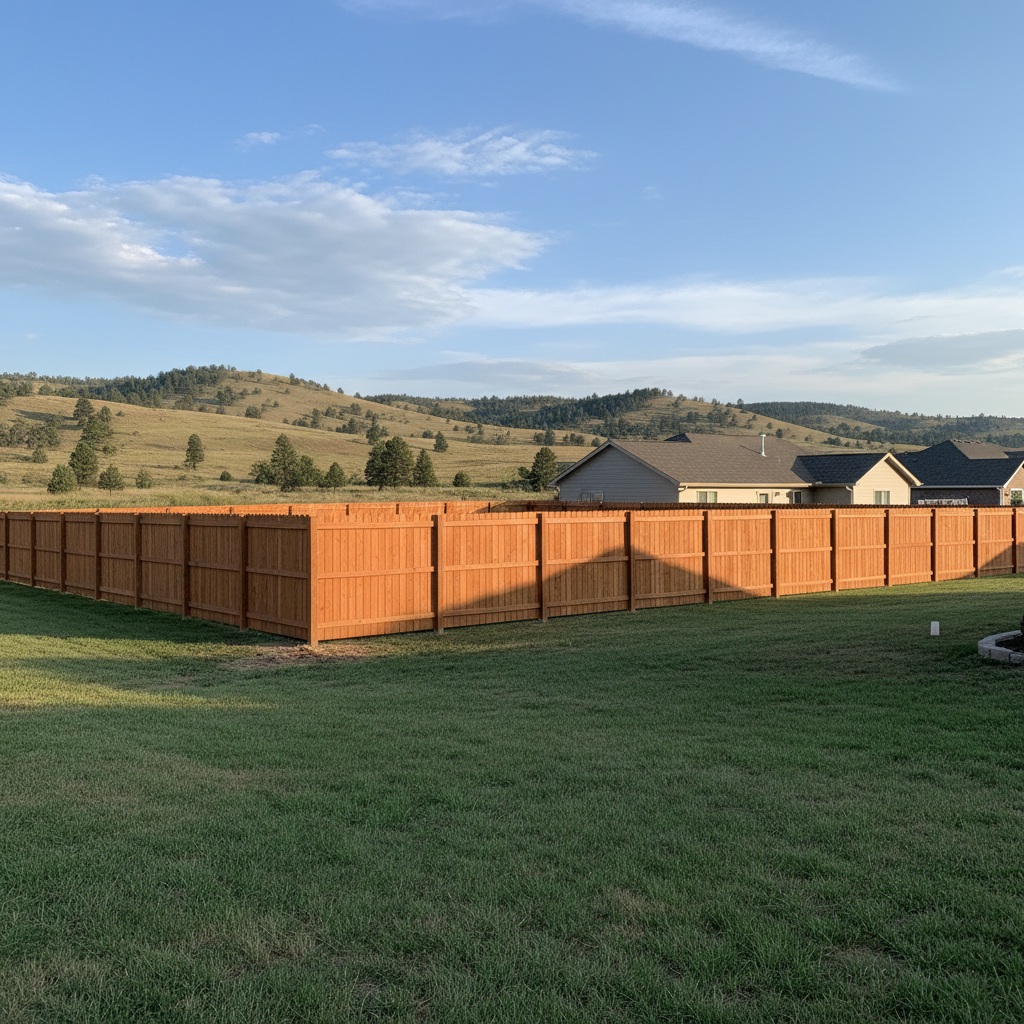
So, you've decided on a wood fence for your place in Sturgis. Good choice. Wood offers that classic look, and it's super versatile. But before you jump in, there's a bit of planning you'll want to do to make sure everything goes smoothly. I've seen a lot of fence projects over the years, and a little prep work goes a long way.
Setting Your Project Timeline
People often ask me, 'How long does this whole thing take?' It's not a quick 'snap your fingers' job, but it's not an endless saga either. Here's a realistic breakdown of what you're looking at:
- Initial Research & Quotes (2-4 weeks): You'll want to get a few quotes, right? Don't just go with the first guy. Talk to a few local contractors, check their references, and look at their past work. This isn't just about price; it's about finding someone you trust to do a good job.
- Permitting (2-6 weeks): This is the big variable. Depending on where you live in Sturgis and the specifics of your fence (height, location), you might need a permit from the city. Don't skip this step! Your contractor should help you with the application, but the city's timeline is their own. Sometimes it's quick, sometimes it drags.
- Material Ordering & Delivery (2-8 weeks): Once you've picked your contractor and the design, they'll order the wood. Supply chains can be tricky, especially for specific types of lumber or custom gates. Good contractors will keep you in the loop here.
- Installation (3 days - 2 weeks): This is the actual build time. For most residential wood fences, we're talking a few days to a couple of weeks, depending on the length, terrain, and complexity. If your yard is full of rocks, like some of those hillsides around Bear Butte, it's going to take longer to dig those post holes than if it's flat, soft soil.
All told, from your first call to the finished fence, you're usually looking at anywhere from 6 to 16 weeks. Plan ahead, especially if you want it done by a certain season.
What to Expect During the Installation Process
Once we've got the permits and materials, here's what you'll see happening on your property:
- Utility Locates: Before anyone digs, we call 811. It's the law, and it keeps everyone safe. They'll mark where your underground utility lines are. Don't touch these flags or paint!
- Layout & Post Hole Digging: We'll mark out the fence line exactly where it's going. Then, the digging starts. This can be noisy and messy, especially if we hit a lot of rocks.
- Post Setting: Posts go in, usually with concrete. They need time to cure and set properly. This is crucial for a strong, long-lasting fence.
- Framing & Pickets: Once the posts are solid, we'll build the framework and attach the pickets. This is where your fence really starts to take shape.
- Gates & Hardware: Gates are installed, adjusted, and all the hardware (latches, hinges) is put on. We make sure they swing freely and latch securely.
- Cleanup & Final Walkthrough: We'll clean up the site, remove debris, and then do a final walkthrough with you to make sure you're happy with everything.
It's a process, and there will be equipment and materials on your property. We try to be as tidy and respectful as possible, but it's a construction site for a little while.
How to Prepare Your Property
You can help make the installation go smoother by doing a few things before the crew arrives:
- Clear the Fence Line: Remove any bushes, small trees, old fence sections, or anything else that's in the way of the new fence. If you want us to do it, we can, but it'll add to the cost.
- Secure Pets & Kids: Keep your furry friends and little ones away from the work area. It's for their safety and helps us work more efficiently.
- Inform Neighbors: If the fence is on a property line, it's always a good idea to talk to your neighbors beforehand. Let them know what's happening and when. Good communication prevents headaches later.
- Mark Sprinkler Heads: If you have an irrigation system, mark your sprinkler heads or let your contractor know their general location. We do our best to avoid them, but sometimes they're hard to spot.
- Access: Make sure there's clear access for our crew and equipment to the work area.
Questions to Ask Before Signing a Contract
This is where you protect yourself and ensure you're getting what you pay for. Don't be shy. Ask these questions:
- What's included in the price? Get a detailed breakdown. Does it include old fence removal? Permit fees? Cleanup?
- What kind of wood are you using? Be specific. Is it pressure-treated pine? Cedar? What grade?
- What's your warranty on materials and labor? A good contractor stands behind their work. Coastal Fence Co. certainly does.
- Are you licensed and insured? This is non-negotiable. Ask for proof. You don't want liability falling on you if something goes wrong.
- Who pulls the permits? Make sure it's the contractor, and that they handle all the necessary paperwork.
- What's the payment schedule? When is the deposit due? When are progress payments? When is the final payment?
- How do you handle unforeseen issues? What if you hit a giant boulder? What if the ground is harder than expected? How will that affect the timeline and cost?
- Can I see some references or examples of your work? Look at jobs they've done recently.
- What's the estimated start and completion date? Get it in writing.
Taking the time to plan properly and ask the right questions will save you a lot of stress and ensure you end up with a beautiful, durable wood fence you'll enjoy for years. It's your property, your investment, so make sure you're comfortable with every step of the process.